Climate-resilient agriculture
Participants were trained in resilient agricultural practices and supported to establish kitchen gardens and demonstration farms.
COMPLETED PROJECT · 2021
Strengthening food security, livelihoods and resilience among women with disabilities and vulnerable households in Igembe North.
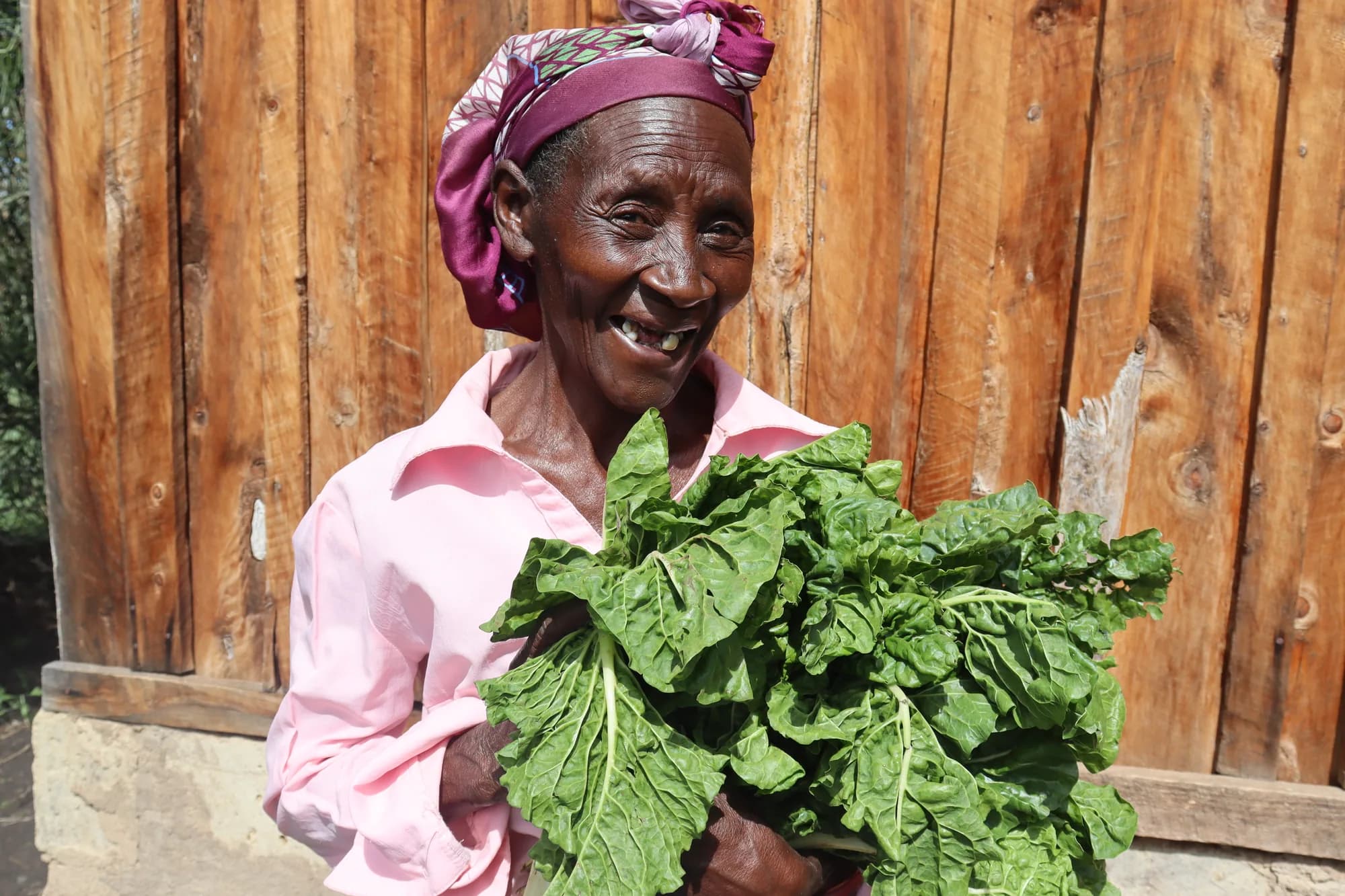
In communities where farming is central to household survival, unreliable rainfall can quickly become a food security crisis.
Women with disabilities and other vulnerable households faced additional barriers to accessing productive resources, financial services and opportunities to strengthen their livelihoods.
The project responded by combining food production, livestock, savings and lending, water conservation and disability inclusion rather than treating these challenges separately.
THE APPROACH
The project supported communities with practical tools and knowledge to improve food production while creating additional ways to earn, save and cope with difficult seasons.
Participants were trained in resilient agricultural practices and supported to establish kitchen gardens and demonstration farms.
Livestock and small-animal support provided households with additional food and livelihood opportunities.
SILC groups created an accessible way for members to save, borrow and invest in activities that could strengthen household livelihoods.
Water conservation and assistive support helped address some of the practical barriers faced by households and people with disabilities.
WHAT THE PROJECT ACHIEVED
The project reached households through a combination of agricultural training, livestock, savings groups and support designed around the realities of people with disabilities.
beneficiaries participated in the project's food security and resilience activities.
SILC groups were established with a combined membership of 800 people.
beneficiaries received goats, alongside rabbits and chickens for households according to their circumstances.
people were trained in resilient agricultural practices.
assistive devices were issued to support participation and independence.
farm ponds were established at household level to support water access and small-scale irrigation.
FOOD PRODUCTION
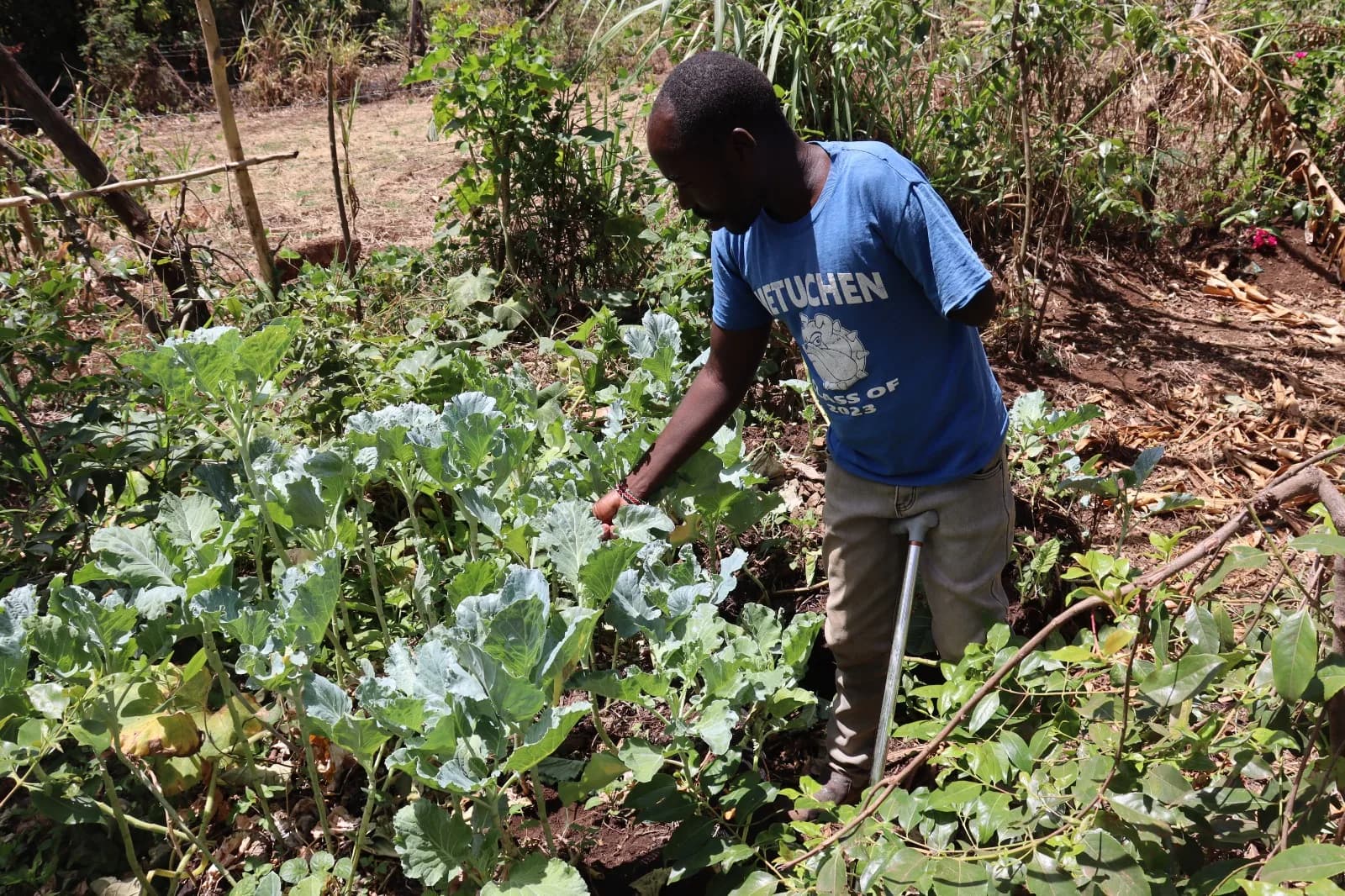
Kitchen gardens and demonstration farms gave households practical ways to grow vegetables and improve access to nutritious food.
The project promoted crops and farming practices suited to changing climatic conditions, while linking agricultural knowledge with household nutrition and livelihoods.
SAVINGS & LIVELIHOODS
The SILC model gave people a practical way to pool savings, access loans and invest in household activities.
For people who often face barriers to formal financial services, the groups created a more accessible pathway to capital and collective support.
Members used their savings and loans for activities including livestock, small businesses and other household needs.
DISABILITY INCLUSION
The project recognised that people with disabilities can face practical barriers to participating in agriculture and livelihood activities.
Assistive devices were therefore part of the intervention, helping people improve mobility and participate more fully in household and community activities.
WHAT WE LEARNED
The project demonstrated the value of combining food production, livestock, savings and disability inclusion rather than relying on a single intervention.
It also showed the importance of adapting support to household circumstances. Not every participant could keep the same type of livestock, while water availability and climate conditions affected agricultural production.
These lessons continue to inform DOMSPARK's work with communities facing poverty, disability-related barriers and climate vulnerability.
EXPLORE OUR OTHER PROJECTS
Five projects. One commitment to inclusion.View all projects →DOMSPARK PROJECTS