Resilient agriculture
Households were supported with approaches and practices suited to areas facing water and climate challenges.
COMPLETED PROJECT · 2025
Supporting vulnerable households and people with disabilities to strengthen food security, livelihoods and resilience in semi-arid communities.
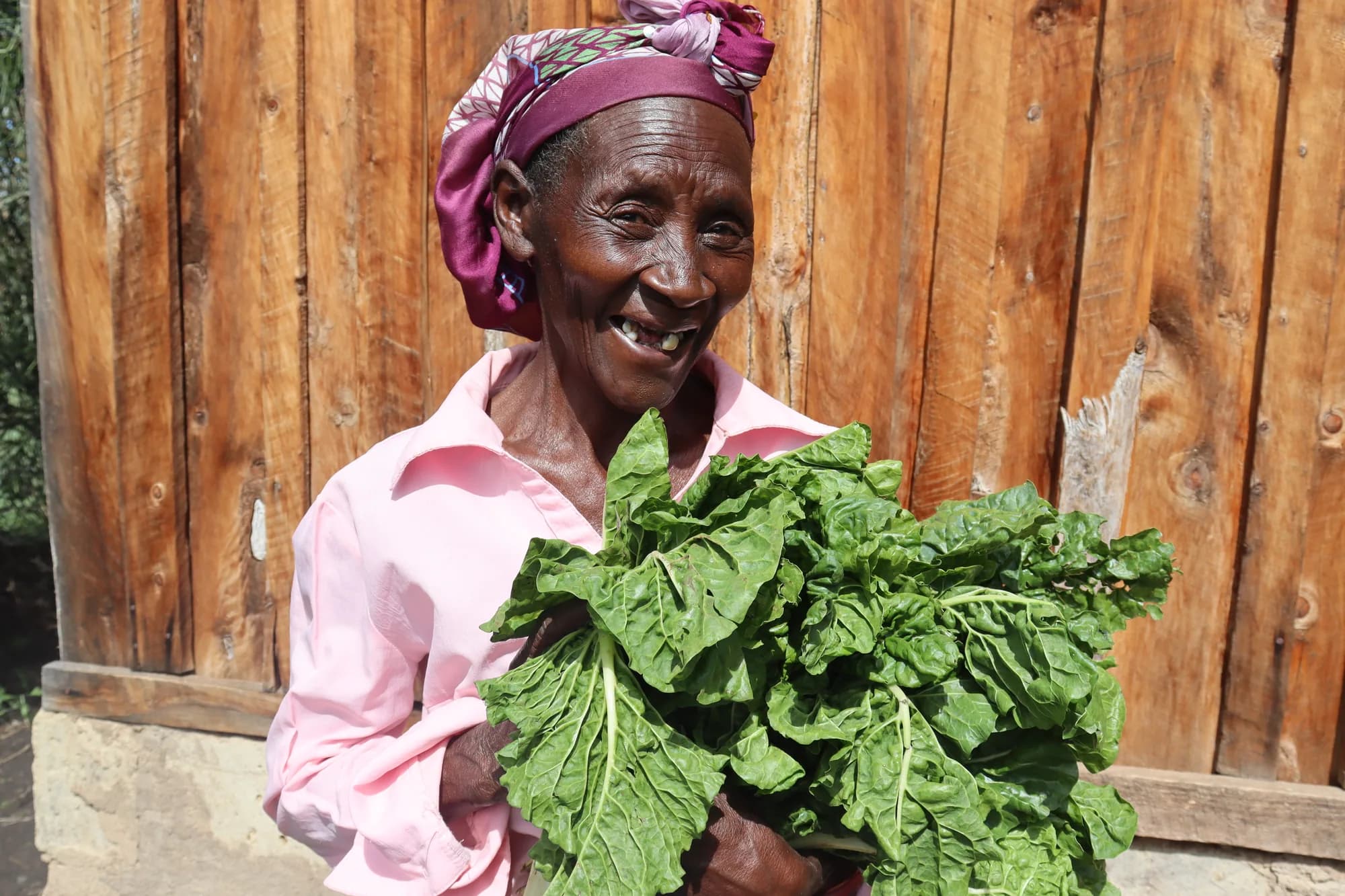
When climate and poverty combine, a difficult season can quickly become a household crisis.
People with disabilities may face additional barriers to accessing agricultural resources, financial services, information and opportunities to participate in local development.
IFSA responded by focusing on practical, inclusive approaches that could help households produce food, diversify livelihoods and strengthen their ability to cope with future shocks.
THE APPROACH
The project brought together agricultural production, household food gardens, savings and livelihood activities while ensuring that people with disabilities could participate.
Households were supported with approaches and practices suited to areas facing water and climate challenges.
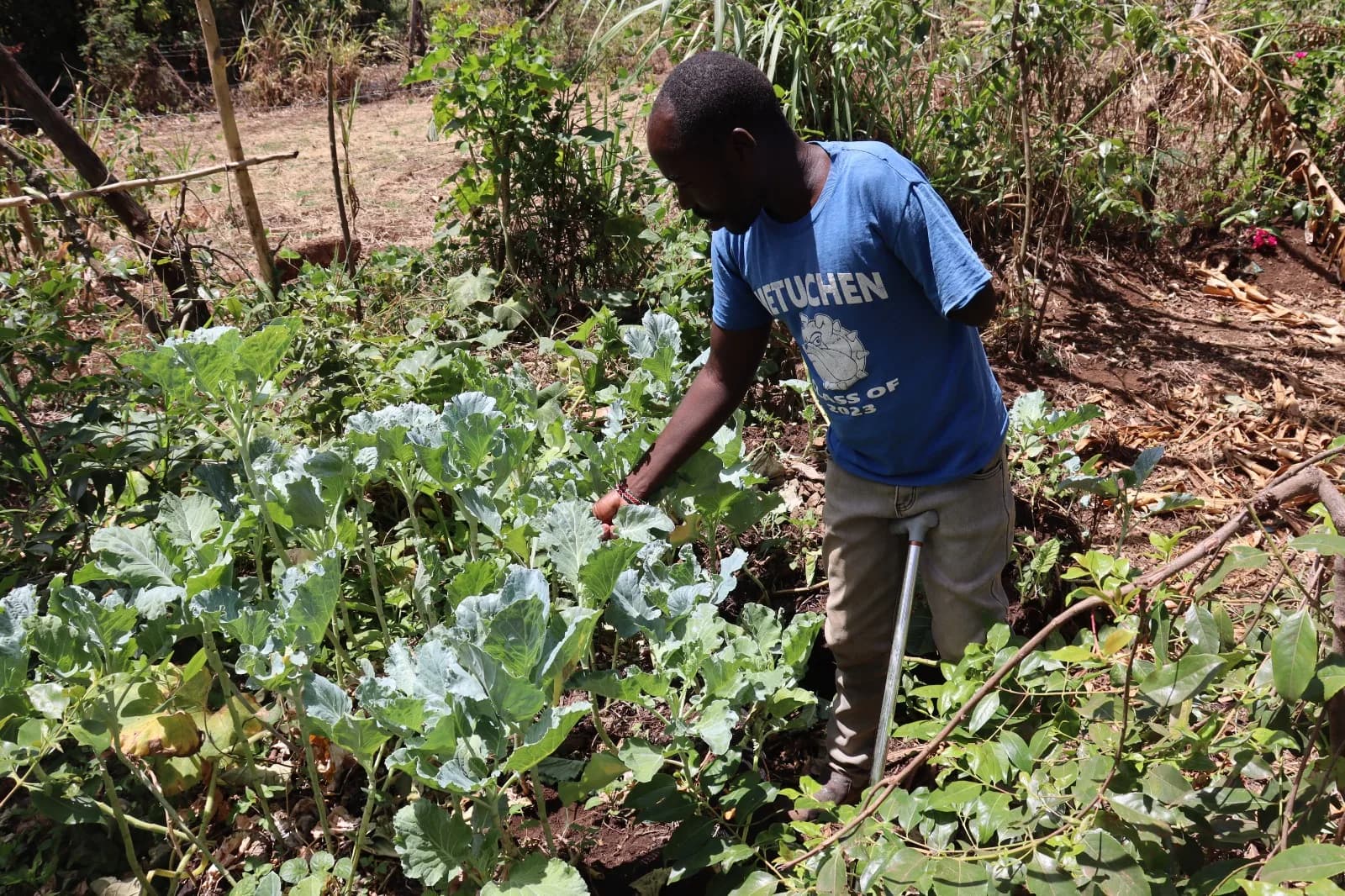
Household gardens provided practical opportunities to grow vegetables and improve access to nutritious food.
Savings and livelihood activities helped households build financial resilience and create additional income opportunities.
The project worked to ensure people with disabilities were included in food security and livelihood opportunities.
WHAT CHANGED
The project focused on practical household-level changes that could continue supporting food security and resilience beyond the immediate intervention.
women-headed households and women with disabilities were targeted through the project.
farm ponds were established to improve access to water for household production.
households were targeted for improved food production through resilient agricultural practices.
savings and lending mechanisms provided households with a pathway towards financial resilience.
women-headed households and women with disabilities were reached through targeted project support.
integrated approach connected food production, livelihoods, savings and disability inclusion.
The figures above reflect project targets and reported interventions. Where a final production figure was not available, the page does not present the target as a measured final outcome.
WATER & FOOD PRODUCTION
Water availability is one of the major challenges facing farming households in semi-arid areas.
The project supported the establishment of 35 farm ponds to improve household access to water for small-scale agricultural production.
Experience from the project showed that household-level ponds were more practical than relying on shared ponds, while some neighbours could still benefit from available water.
LIVESTOCK & HOUSEHOLD ASSETS
The project included livestock and small-animal support as part of its livelihood approach.
Rabbits were added for households that could not keep chickens or goats, allowing the intervention to respond more flexibly to different living conditions.
This flexibility was important because a livelihood option that works for one household may not be practical for another.
WOMEN & DISABILITY INCLUSION
Women-headed households and women with disabilities were a central target group for the project.
Targeting was deliberately undertaken so that the intended 500 women-headed households and women with disabilities could be reached.
The project recognised that strengthening women's access to productive resources, savings and food production can have wider benefits for household wellbeing.
SAVINGS & LIVELIHOODS
Savings and Internal Lending Communities provided a local financial mechanism through which members could save together and access loans.
Members contributed savings regularly, building a collective pool of resources.
Members could borrow from their groups to support productive and household needs.
Loans could be invested in small businesses and other livelihood activities.
Groups created a local support structure that could help members respond to economic pressures.
WHAT WE LEARNED
The project demonstrated the importance of adapting food security interventions to the realities of individual households.
Farm ponds were most practical when designed around individual households rather than assuming that shared ponds would work equally well for everyone.
Similarly, livestock support needed to account for the household's ability to keep different animals, which is why rabbits provided an alternative for some beneficiaries.
These lessons reinforce DOMSPARK's wider approach: inclusion works best when people are not simply given the same thing, but are supported according to their circumstances and needs.
EXPLORE OUR OTHER PROJECTS
Five projects. Years of learning, partnership and action.View all projects →DOMSPARK PROJECTS