Food production
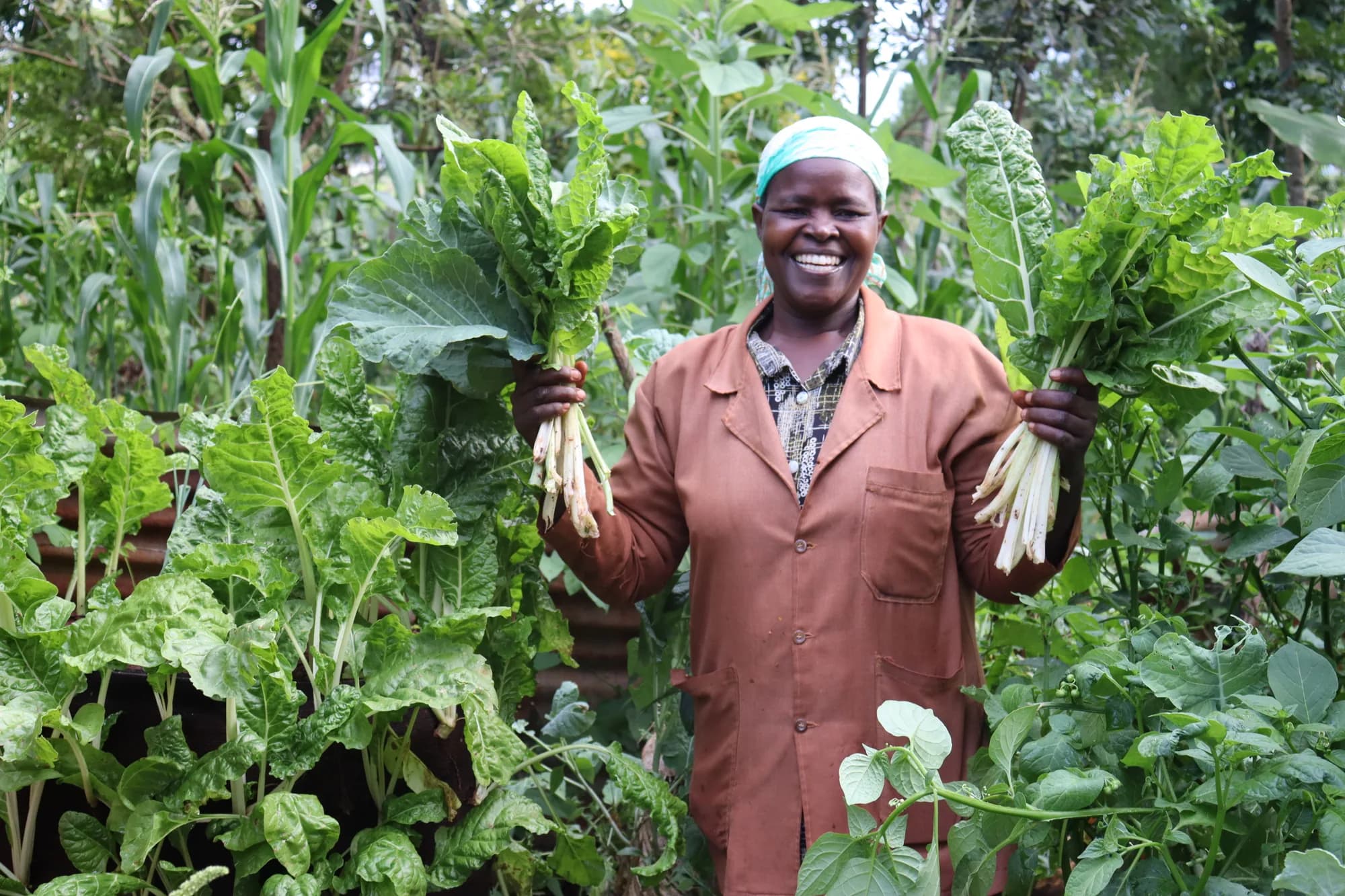
Households were supported to establish kitchen gardens and adopt agricultural practices that could strengthen household food security.
COMPLETED PROJECT · 2022–2024
Strengthening food security, livelihoods, rehabilitation and economic resilience for persons with disabilities and their families across Meru County.
Inclusion means having the opportunity to earn, move, produce, participate and make decisions about your own life.
The Inclusive Livelihoods and Resilience project brought together economic empowerment, food production, rehabilitation and assistive technology to address several of these barriers at the same time.
Working with persons with disabilities, caregivers, community groups and government partners, the project aimed to strengthen both household resilience and access to services.
THE APPROACH
The project combined livelihood support with rehabilitation and disability inclusion, recognising that economic participation and independence are closely connected.
Households were supported to establish kitchen gardens and adopt agricultural practices that could strengthen household food security.
Goats and rabbits supported household assets, food and livelihood opportunities, while participants were encouraged to diversify their income.
Savings and Internal Lending Communities created pathways to savings, credit and income-generating activities.
Physiotherapy, surgery and assistive devices helped people improve mobility, independence and participation.
WHAT CHANGED
The final report records results across food production, livelihoods, rehabilitation and assistive technology.
kitchen gardens were established to support household food production.
households were reported to be able to afford at least two meals daily.
goats and 1,375 rabbits were distributed through the project.
people with disabilities established income-generating businesses.
assistive devices were issued to 964 people.
people received physiotherapy support during the project.
FOOD & LIVELIHOODS
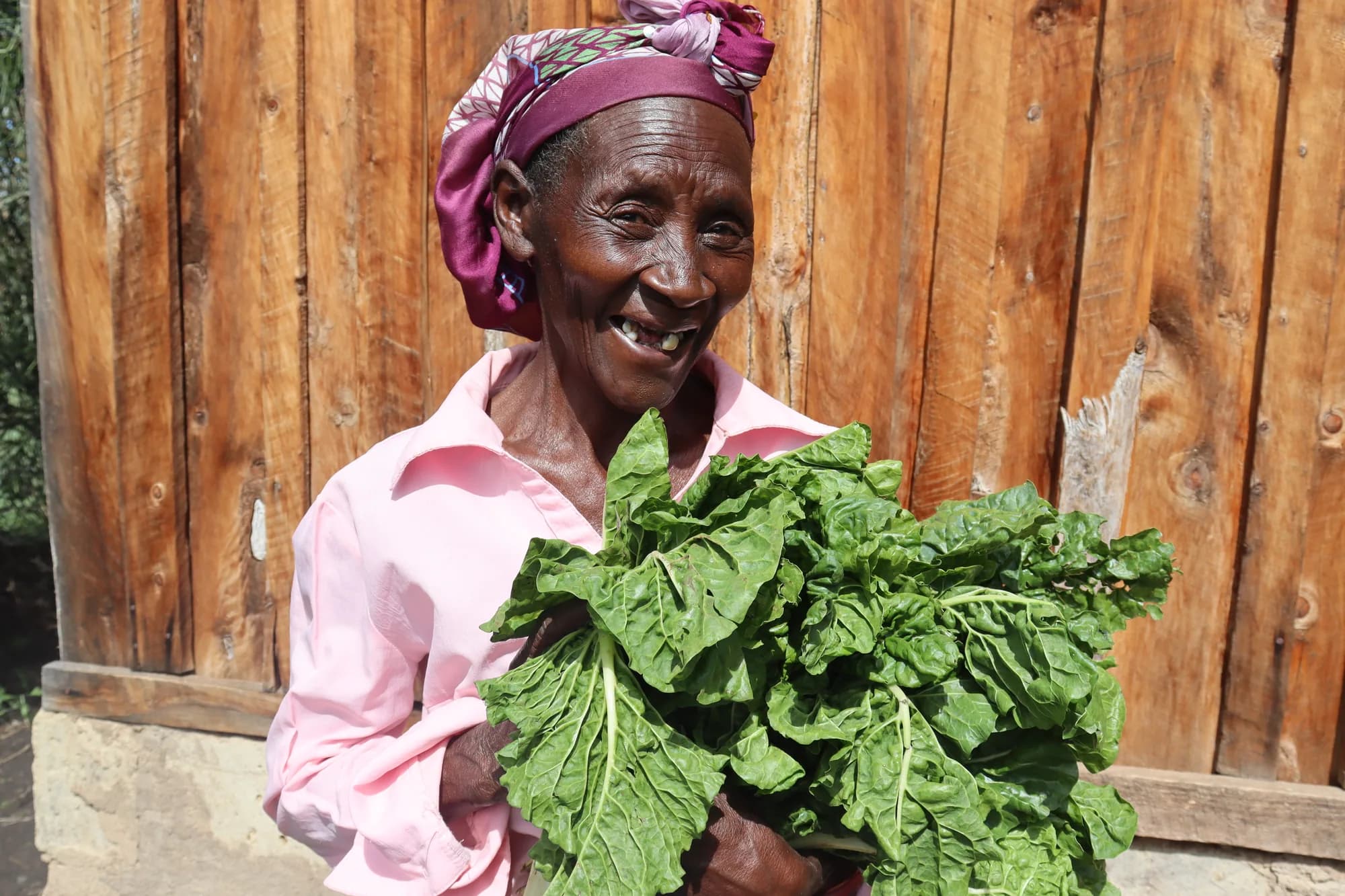
Kitchen gardens gave households an opportunity to grow food closer to home, while livestock provided additional household assets and livelihood opportunities.
The project also supported people with disabilities to establish income-generating activities, helping households diversify how they earned and met their daily needs.
SAVINGS & ENTERPRISE
SILC groups enabled people with disabilities and caregivers to save together and access loans that could be invested in businesses and other productive activities.
The model was particularly important for people who faced barriers to formal financial services.
The project established and strengthened SILC groups across the target communities, creating local financial structures that could continue beyond individual project activities.
REHABILITATION & MOBILITY
Economic participation is difficult when a person cannot move safely or access the rehabilitation they need.
The project therefore included physiotherapy, surgical support and assistive technology alongside livelihoods activities.
The final report records support reaching children and adults, including people who were able to participate more independently after receiving appropriate rehabilitation or assistive devices.
REHABILITATION RESULTS
Rehabilitation was integrated into the wider inclusion approach rather than treated as a separate service.
621 people received physiotherapy support during the project.
376 caregivers were trained in basic physiotherapy support.
84 patients were supported for surgery, with 74 surgeries completed.
Devices helped people improve mobility and participation in household and community activities.
WHAT WE LEARNED
The project demonstrated the value of linking livelihoods, food security and rehabilitation instead of treating them as separate needs.
It also showed the importance of working through community groups and government structures so that support can continue beyond individual activities.
The combination of economic opportunity, mobility and access to services created stronger conditions for people with disabilities to participate in family and community life.
EXPLORE OUR OTHER PROJECTS
Five projects. Years of learning, partnership and action.View all projects →DOMSPARK PROJECTS