Disability rights
People with disabilities and their organisations were supported to understand their rights and advocate for more inclusive services and development.
COMPLETED PROJECT · 2020–2023
Meru Inclusive Trachoma WASH-Plus brought disability inclusion, health, WASH, livelihoods and advocacy together to address the barriers that leave people behind.
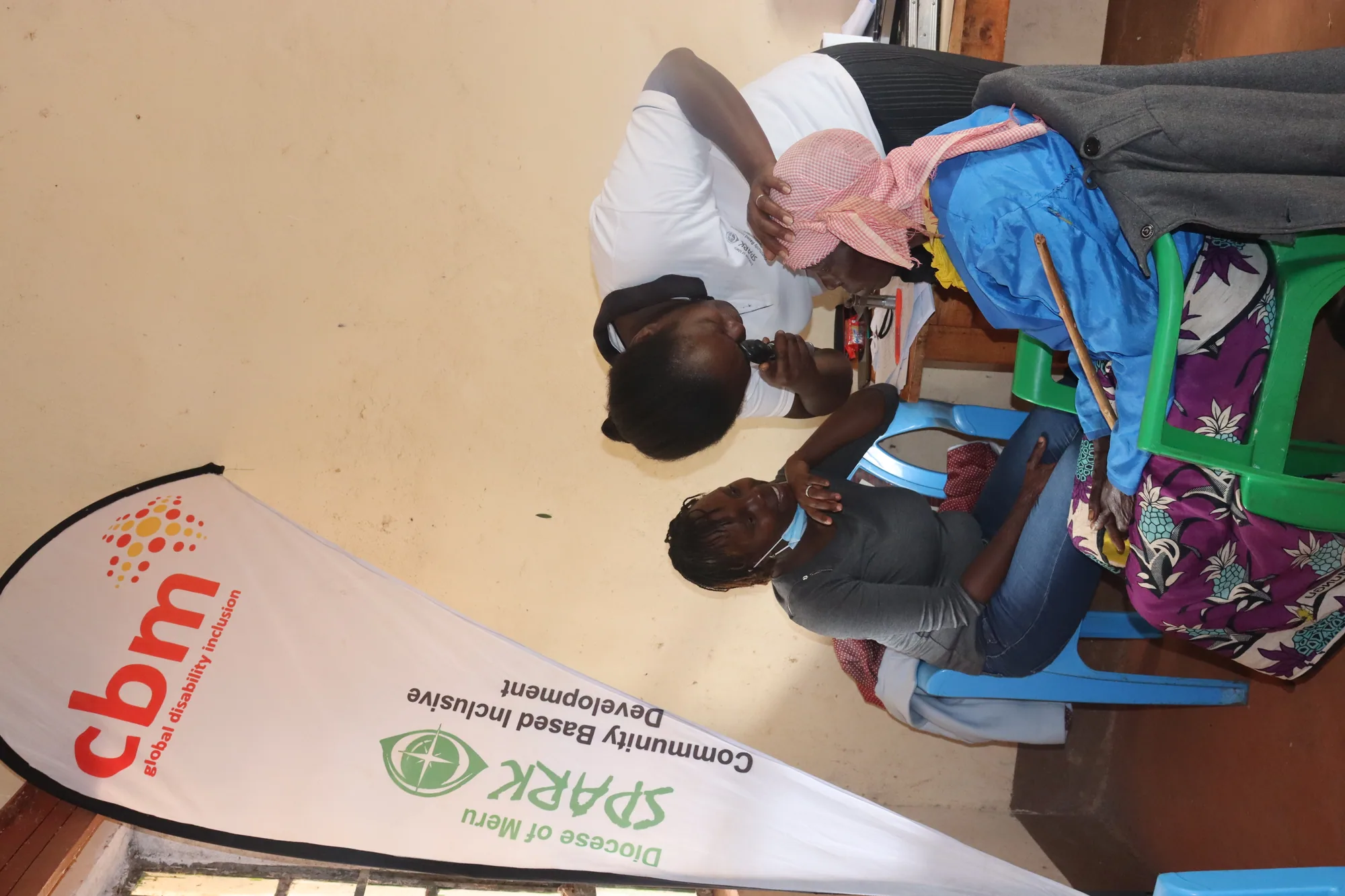
For people with disabilities, a health facility can be physically present but still remain inaccessible.
MINT was designed around the understanding that inclusion requires more than one intervention. People need accessible services, the ability to participate in decisions, stronger livelihoods and communities that understand disability rights.
The project therefore brought together disability organisations, government services, communities and other partners to address barriers across several sectors.
THE APPROACH
MINT worked through organisations of persons with disabilities, disability champions, government structures and community groups to strengthen inclusion from the community level upward.
People with disabilities and their organisations were supported to understand their rights and advocate for more inclusive services and development.
The project worked with health and WASH actors to identify barriers and improve accessibility and participation.
SILC groups helped people with disabilities and caregivers save, access loans and invest in income-generating activities.
Assessment and provision of assistive devices helped people improve mobility, independence and participation.
WHAT CHANGED
The project's results extended from individual access to services to stronger disability organisations and greater participation in county development processes.
people assessed and registered with the National Council for Persons with Disabilities.
people reached through disability-rights and WASH-Plus training.
SILC groups trained, involving 1,472 people with disabilities and caregivers.
people established income-generating activities through the project's livelihood support.
people received 357 assistive devices.
disability champions were trained and mentored to strengthen advocacy and leadership.
ADVOCACY & PARTICIPATION
MINT supported organisations of persons with disabilities and disability champions to engage with government and other decision-makers.
The project helped strengthen participation in planning and development processes, including efforts that influenced the Meru County Integrated Development Plan for 2023–2027.
Advocacy also led to practical accessibility improvements, including ramps and disability-friendly facilities in community institutions.
REHABILITATION & ASSISTIVE TECHNOLOGY
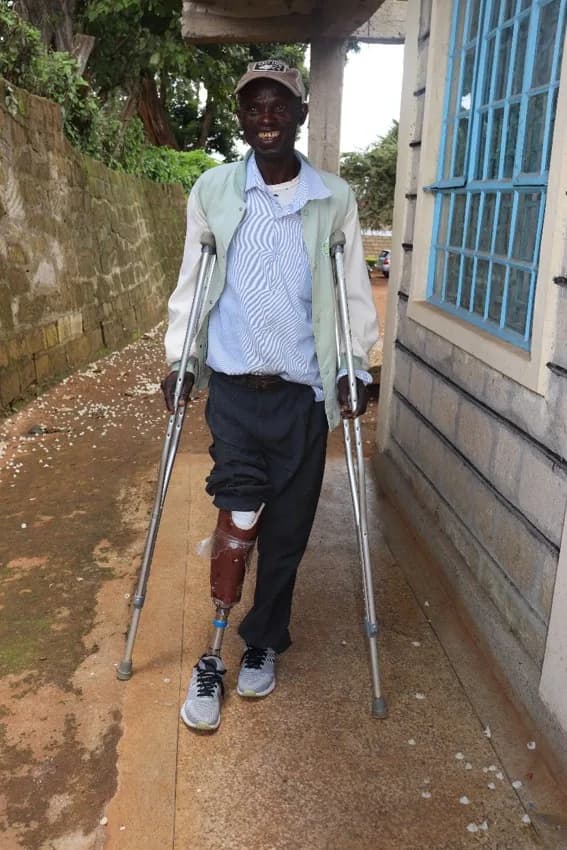
MINT supported the assessment and provision of assistive devices for people whose mobility and independence were limited by disability.
The project also supported the development of DOMSPARK's orthopaedic capacity, including a modern orthopaedic workshop.
Four children received newly fabricated prostheses, while people across the project area received devices matched to their needs.
LIVELIHOODS & RESILIENCE
MINT recognised that disability inclusion cannot be separated from economic security. People who lack income and access to financial services can face additional barriers to participation.
Through SILC, people with disabilities and caregivers were able to save together, access loans and invest in small businesses and other income-generating activities.
WHAT WE LEARNED
MINT demonstrated the value of bringing together people with disabilities, their organisations, communities, service providers and government.
It also showed that progress requires continued attention to accessibility, assistive devices, education, livelihoods, mental health and referral pathways.
The project strengthened local capacity, but its lessons also point to the need for continued advocacy and investment so that the gains made can be sustained.
EXPLORE OUR OTHER PROJECTS
Five projects. Years of learning, partnership and action.View all projects →DOMSPARK PROJECTS